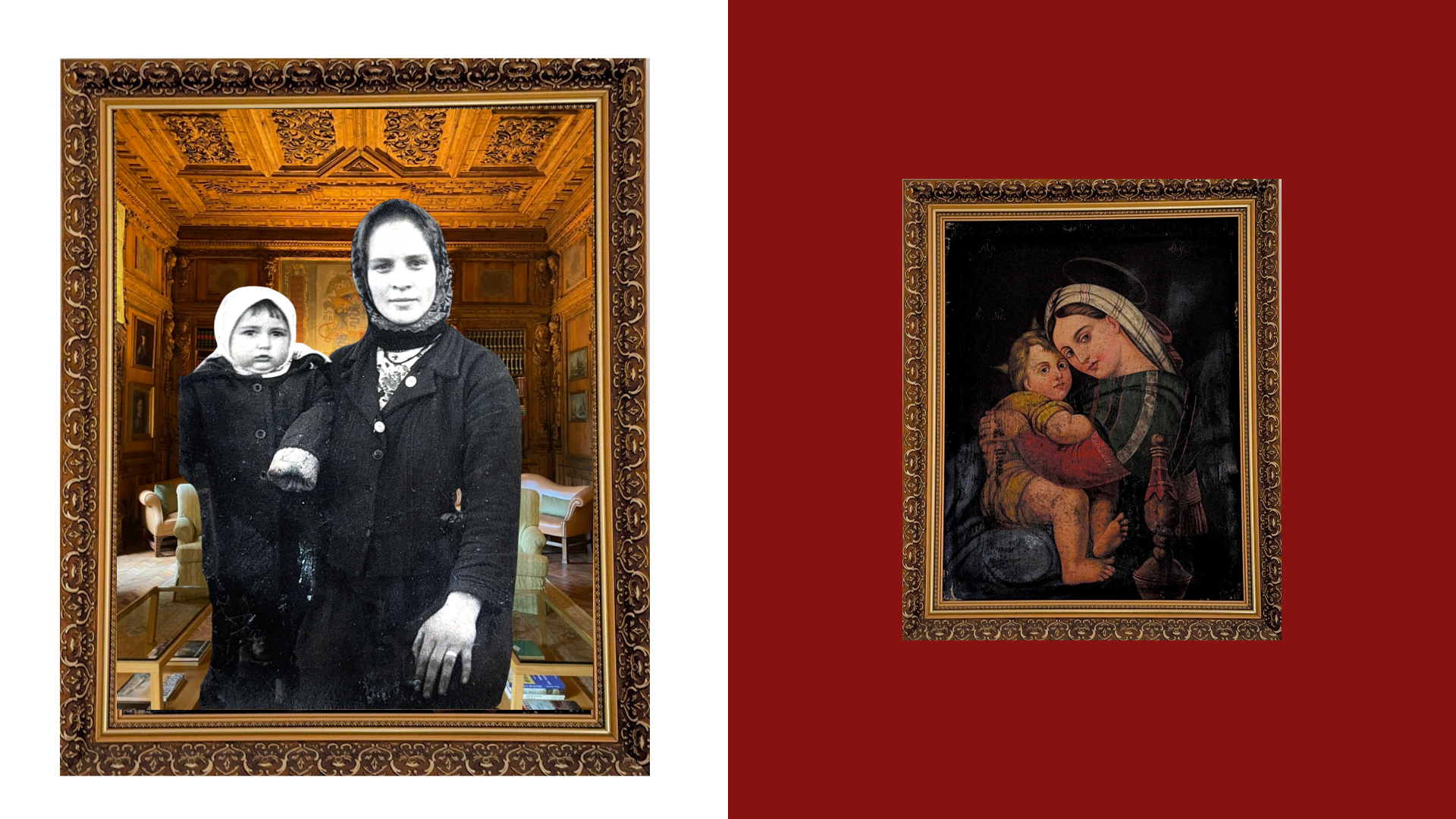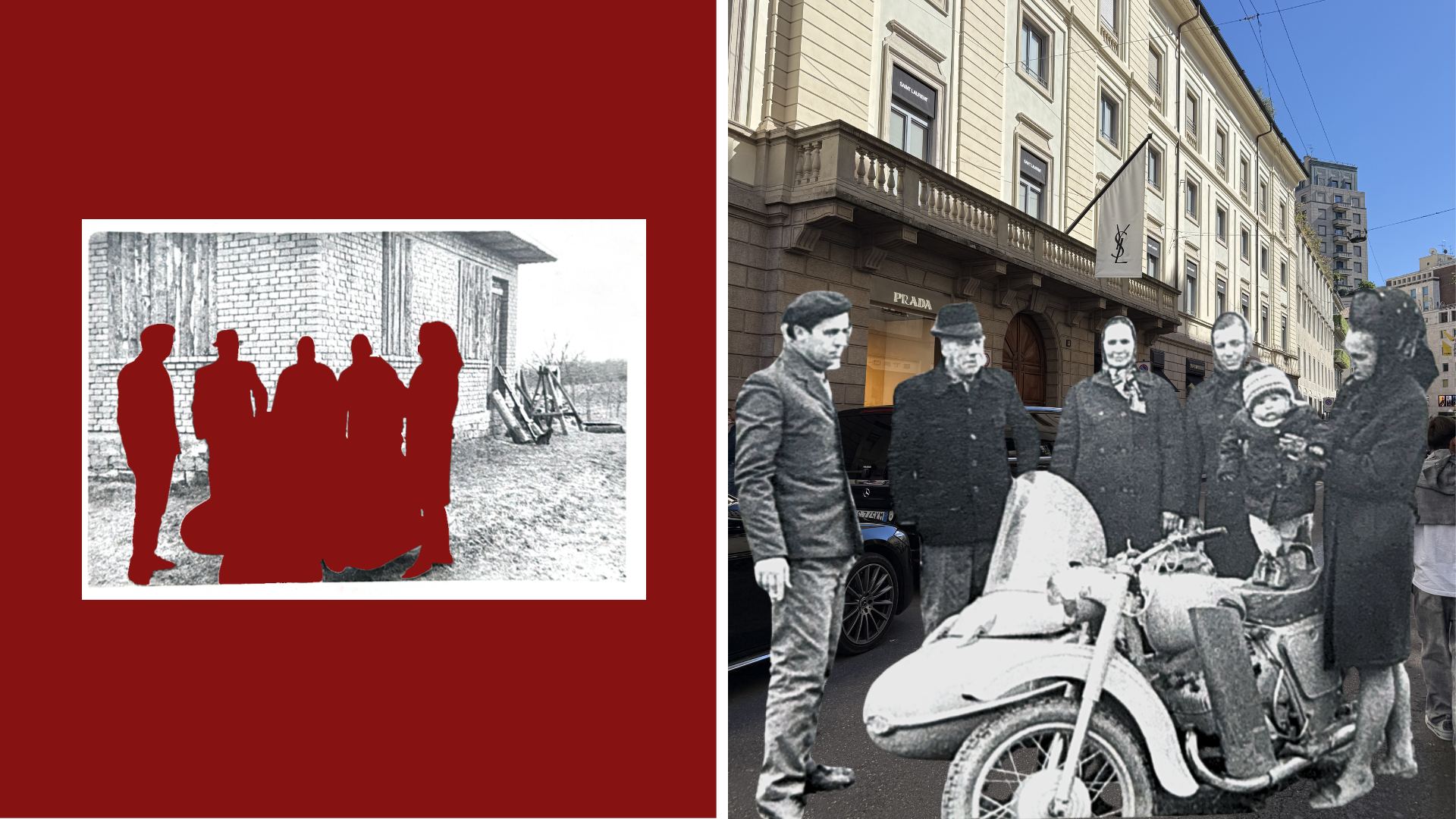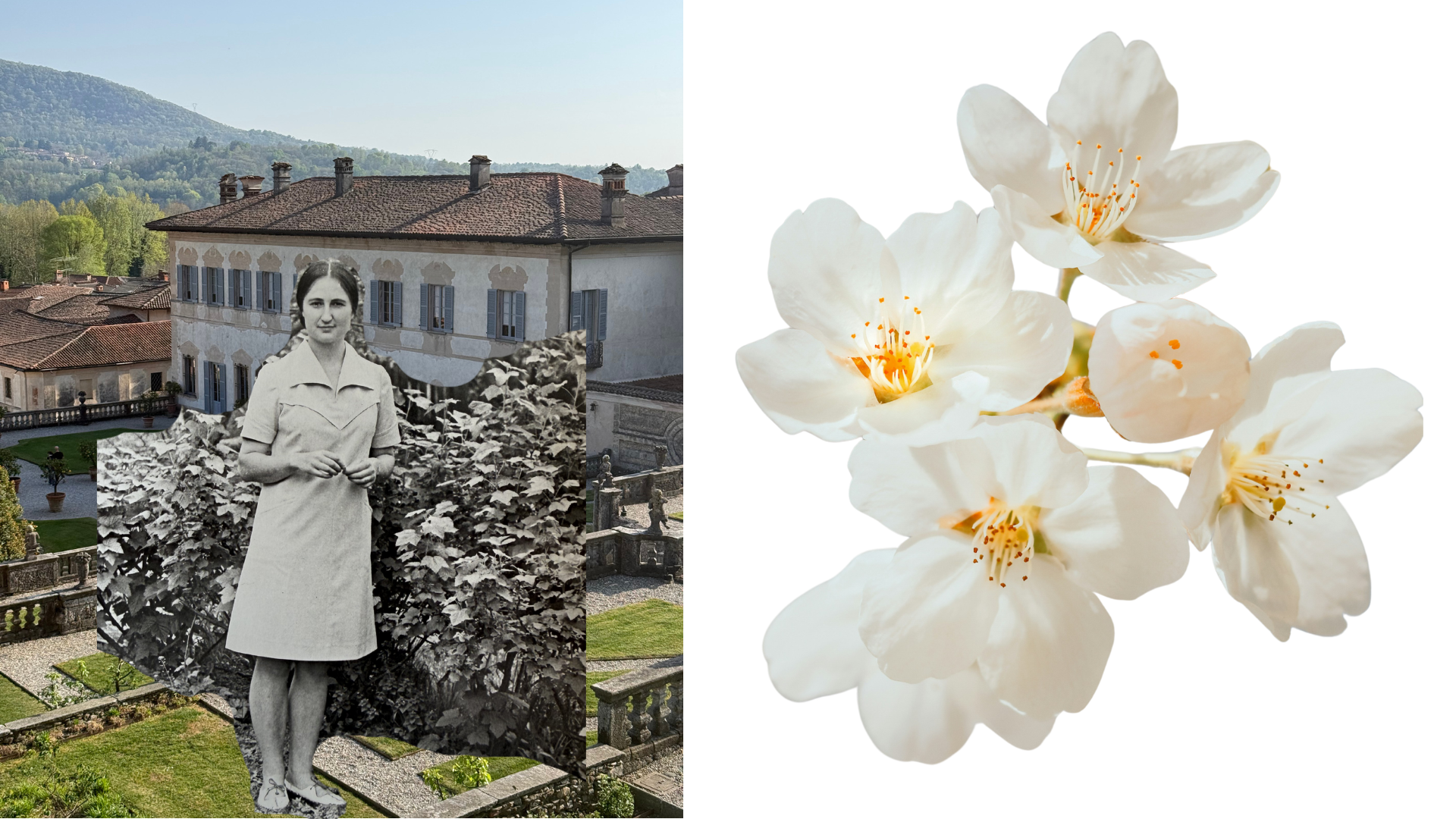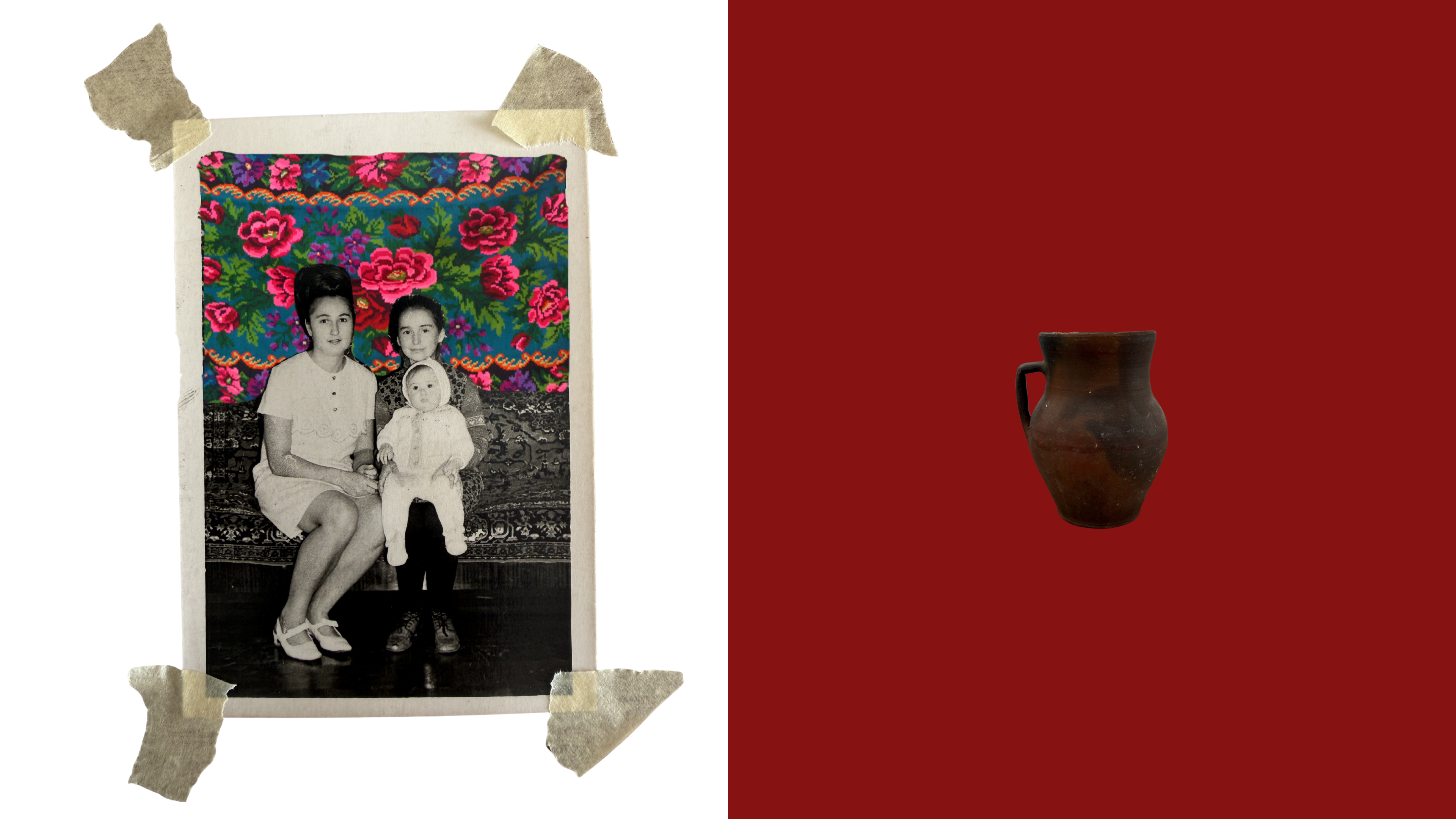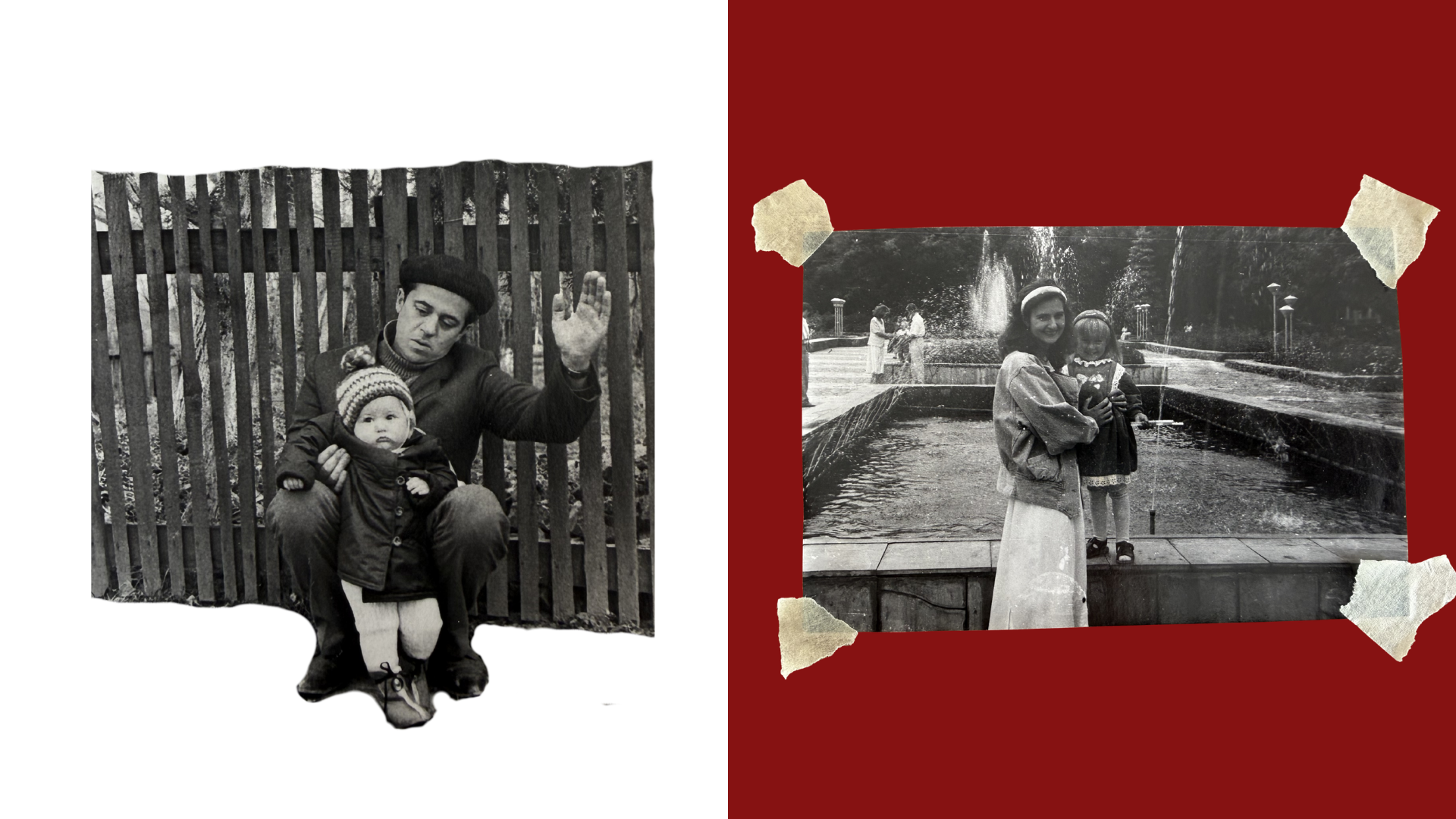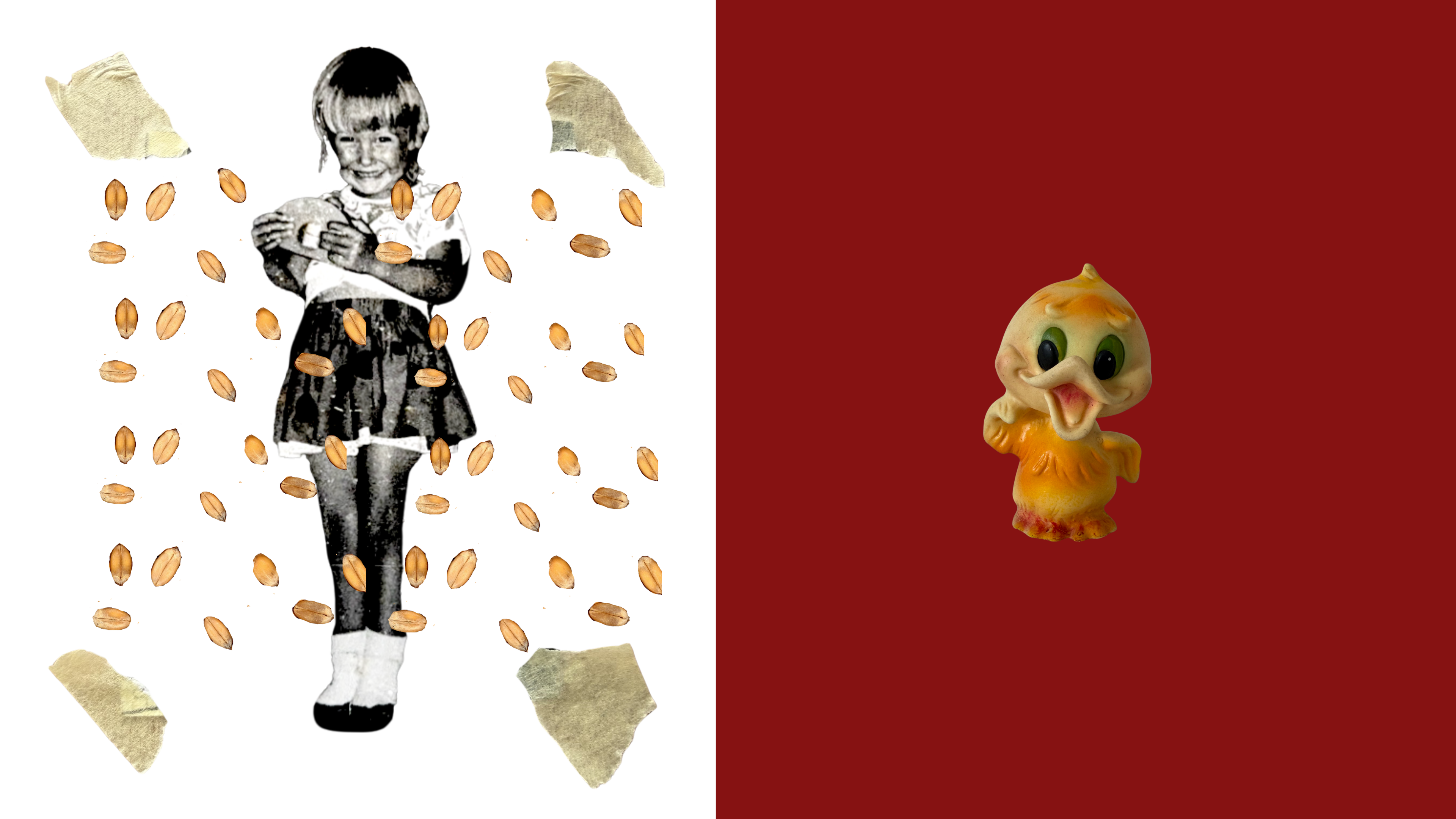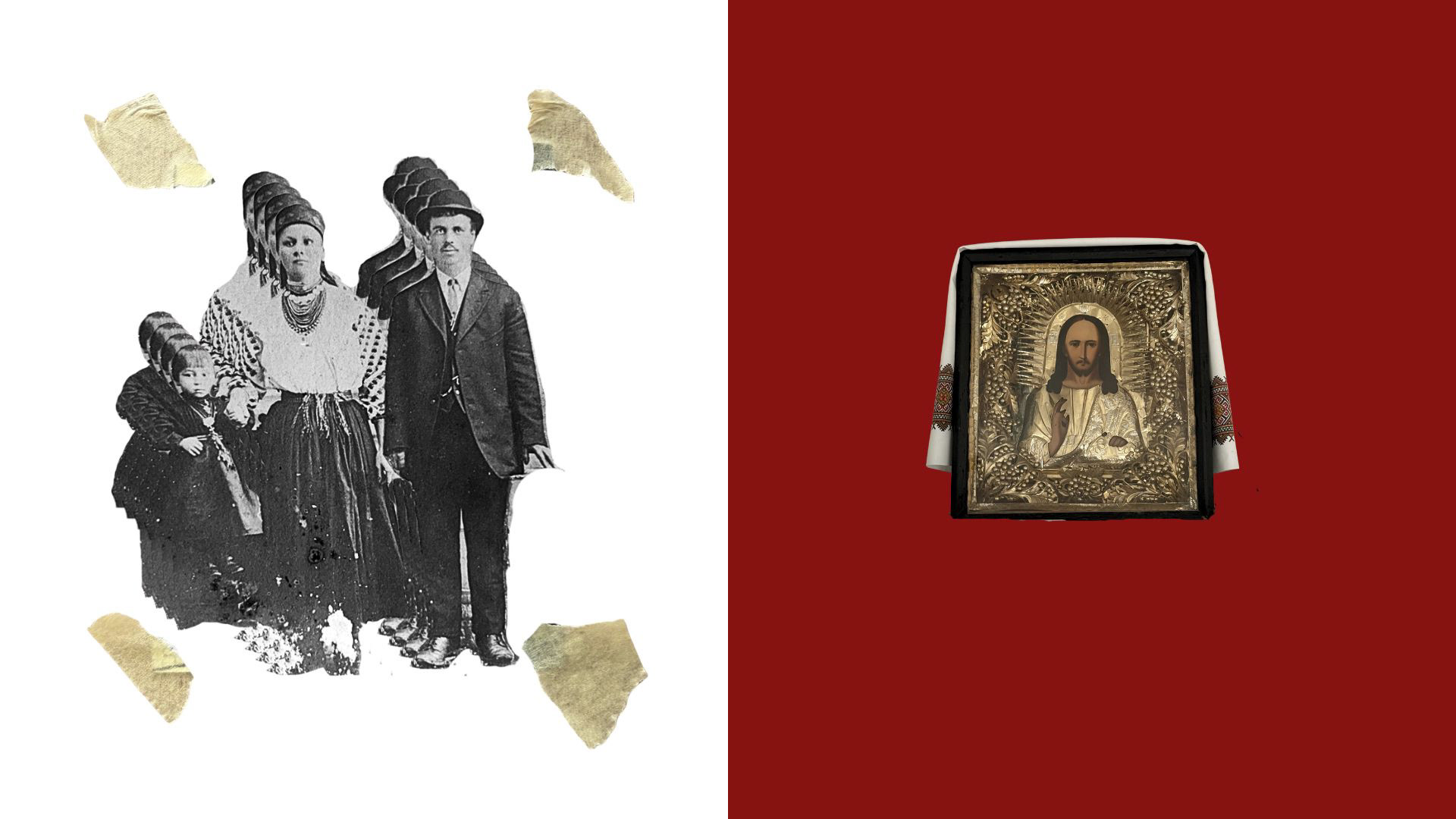
The project begins with the story of my great-great-grandparents, Ivan and Maria Okypniak, who owned two mills in Bukovyna and were building a successful grain business. Their property was confiscated during dekulakization, and in 1932 they died of starvation during the Holodomor. Of their four children, only two survived: my great-grandmother, then seven years old, and her five-year-old sister. Orphaned and deprived of their home, both sisters grew up in extreme poverty and without access to education. Their lives, and those of the generations that followed, were shaped by the consequences of a political system that had stripped their family of property, security, and opportunity.
The project traces this legacy through four generations of women. Each generation gradually regained what had been taken away: education, independence, professional identity, economic stability, and the freedom to shape one’s own future. I am the first woman in my family to build an international career, own a car, and live abroad, yet the memory of this history remains deeply embedded in my sense of identity.
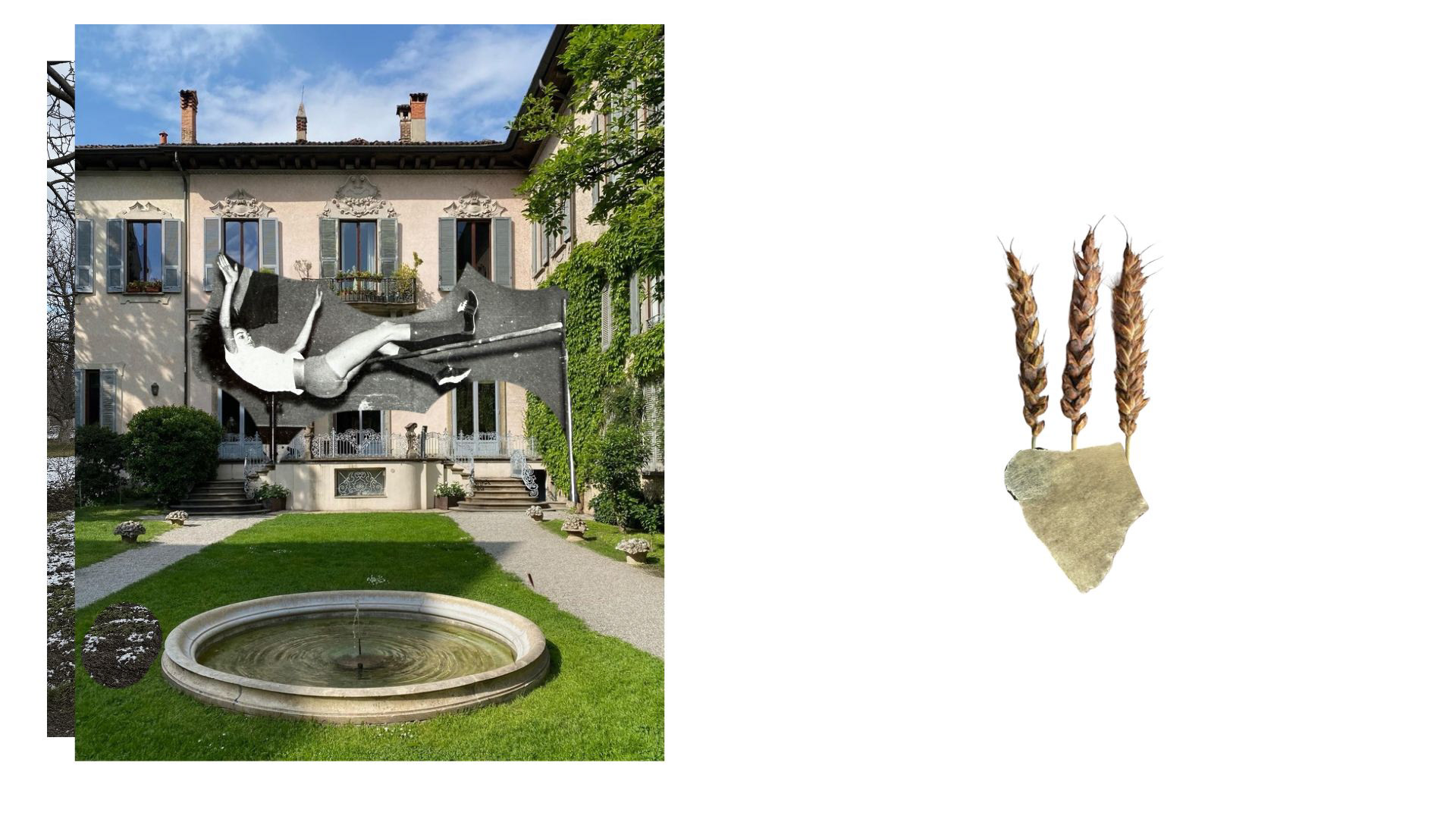
The series combines photographs from my family archive with constructed collages that imagine an alternative history. I place members of my family from different generations into the world of European prosperity, particularly the aristocratic and entrepreneurial circles of 1920s and 1930s Milan. These imagined scenes contrast with the reality experienced by my ancestors, whose lives were being dismantled by the Soviet regime at the same time.
The work reflects on what might have been, what was lost, and what survives. It asks how historical violence continues to shape individual lives long after the events themselves have ended—and how the generations that follow attempt to reclaim what was taken from them.